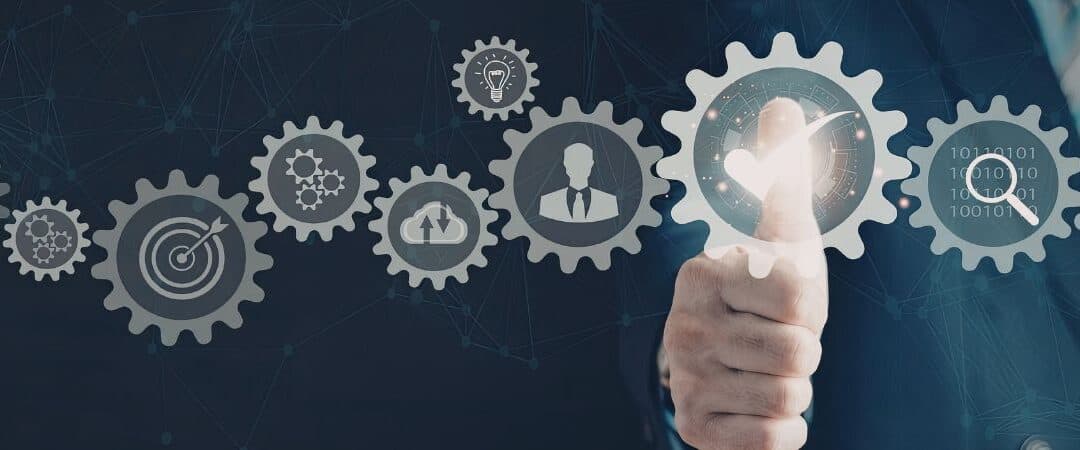
Legacy systems often start as reliable foundations, but over time, they can become barriers to growth, innovation, and efficiency. This is the story of how ClearBridge helped a mid-sized enterprise transform a fragmented, outdated IT environment into a scalable, cloud-first ecosystem.
The Challenge: When “Good Enough” Stops Working
Our client, a growing organization in a competitive industry, had built its operations on a patchwork of legacy systems. While these systems had served the company well for years, they were beginning to show significant cracks:
- Limited scalability as business demand increased
- Manual processes slowing down operations
- Data silos preventing real-time insights
- High maintenance costs for aging infrastructure
- Difficulty integrating modern tools and platforms
Leadership knew change was necessary, but the path forward was unclear. A full system overhaul felt risky, expensive, and disruptive.
The Approach: Strategy Before Technology
ClearBridge began with a simple principle: successful transformation starts with understanding the business, not just the technology.
- Discovery & Assessment
We conducted a comprehensive assessment of our client’s systems, workflows, and business goals. This included:
- Infrastructure and application audits
- Stakeholder interviews
- Identification of bottlenecks and dependencies
- Defining the Roadmap
Rather than recommending a “rip and replace” approach, ClearBridge developed a phased modernization strategy:
- Prioritize high-impact systems
- Reduce risk through incremental migration
- Align every step with measurable business outcomes
- Cloud-First Architecture
We designed a modern, cloud-native architecture that emphasized:
- Scalability and flexibility
- Security and compliance
- Integration across systems
- Cost efficiency
The Transformation: From Fragmented to Unified
Phase 1: Stabilization
We first addressed immediate pain points by optimizing existing systems and reducing operational risk.
Phase 2: Migration & Modernization
Key applications and workloads were migrated to the cloud using a hybrid approach. Legacy components were either:
- Replatformed for efficiency
- Refactored for scalability
- Retired where no longer needed
Phase 3: Integration & Automation
We broke down data silos by implementing modern integration frameworks and APIs. Automation replaced manual workflows, improving speed and accuracy.
The Result: Measurable Business Impact
The transformation delivered significant, tangible results:
- Faster deployment cycles enabling quicker time-to-market
- Improved system performance and reliability
- Reduced operational costs through optimized infrastructure
- Real-time data visibility for better decision-making
- Enhanced scalability to support future growth
Most importantly, our client shifted from reacting to IT limitations to using technology as a strategic advantage.
Key Takeaways
This transformation highlights several critical lessons for organizations facing similar challenges:
- Modernization doesn’t have to be all-or-nothing
- A phased approach reduces risk and builds momentum
- Business alignment is more important than technology trends
- Cloud adoption is most powerful when paired with process improvement
Final Thoughts
Legacy systems don’t have to hold your business back. With the right strategy, expertise, and execution, organizations can move from complexity and constraint to clarity and capability.
At ClearBridge, we help organizations navigate this journey; contact us to learn more.
Recent Comments