
What a Bull360 Test Reveals About Platform Architecture
Technology consulting firms are often brought in when performance matters. Whether the task involves cloud optimisation, latency reduction or systems integration, the same principle applies: architecture determines outcomes.
Applying that logic to financial markets leads naturally to a structured Bull360 test — not as a marketing exercise, but as a technical evaluation. In an industry where milliseconds affect execution and uptime influences user trust, trading platforms deserve the same scrutiny as enterprise software.
For this article, we approached https://bull360.com not simply as a brokerage interface, but as a digital system. Within the broader context of a full platform review, the focus shifts toward infrastructure, scalability and performance resilience — areas familiar to technology consultants and systems engineers.
System Architecture: What Sits Beneath the Interface
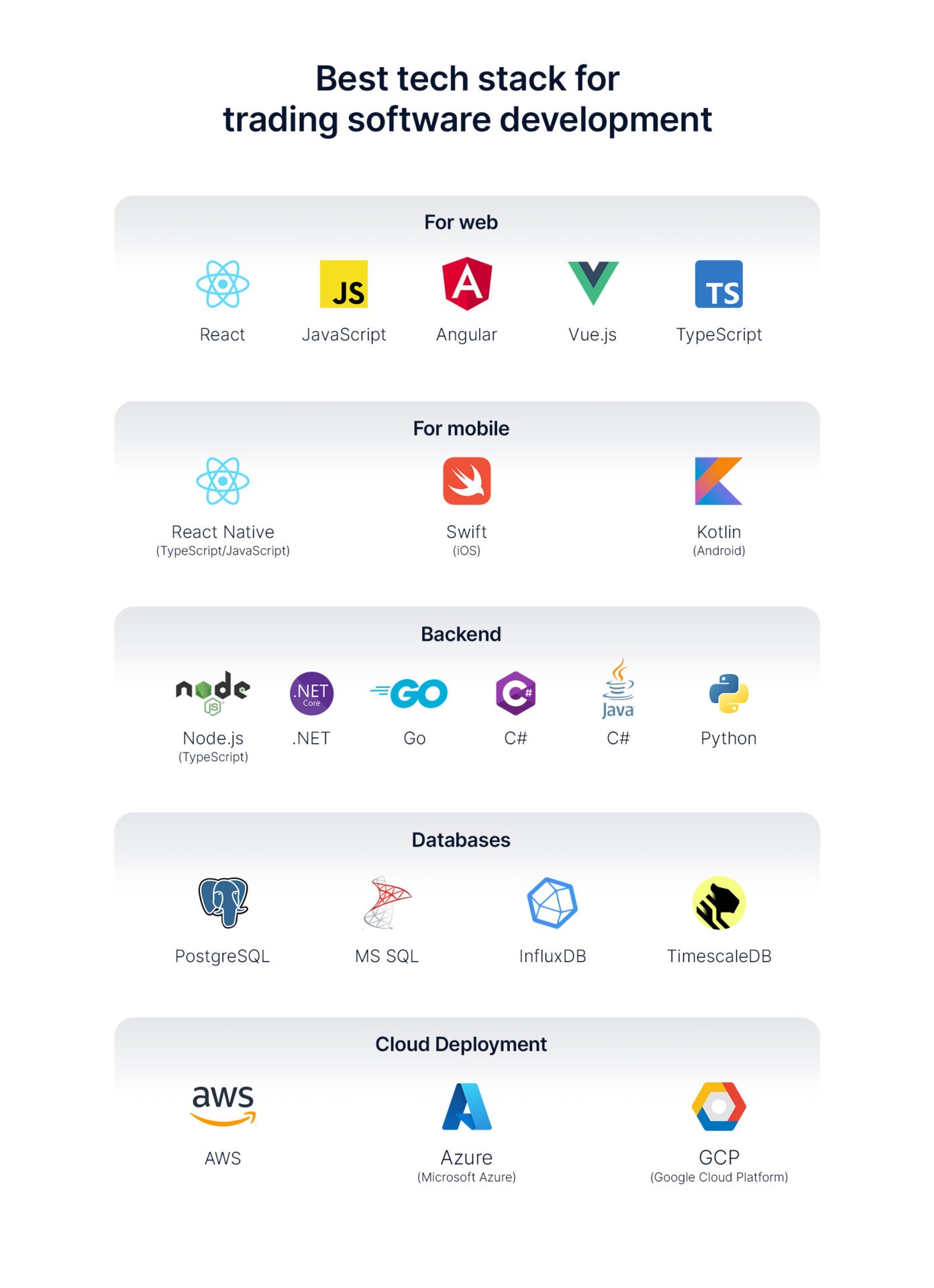
Every trading environment is supported by a layered stack:
-
Client-facing web or mobile interface
-
Order management engine
-
Liquidity routing layer
-
Data feed aggregation
-
Server and cloud infrastructure
A Bull360 test from a technology perspective begins with observing how these layers interact under load. During routine sessions, chart rendering and order placement remained stable. Page refresh times were consistent, suggesting efficient client-side optimisation.
Backend behaviour becomes more revealing during market spikes. While market volatility cannot be controlled by software alone, system responsiveness during peak activity provides insight into infrastructure scalability.
Across observed sessions, platform freezes were not prolonged, and session continuity remained stable — an encouraging sign for load management.
Latency and Execution Consistency
In enterprise IT environments, latency is measurable and often monitored in milliseconds. The same expectation increasingly applies to financial platforms.
During this Bull360 test, execution behaviour was observed across varying market conditions. Areas of attention included:
-
Order confirmation timing
-
Spread responsiveness in liquid pairs
-
Slippage consistency during volatility
-
Stability of data feeds
While external liquidity conditions inevitably influence spread dynamics, order routing remained functionally consistent in standard trading windows.
For a technology consultancy audience, this aligns with well-balanced traffic distribution and backend resilience.
Workflow Efficiency and User Interface Design
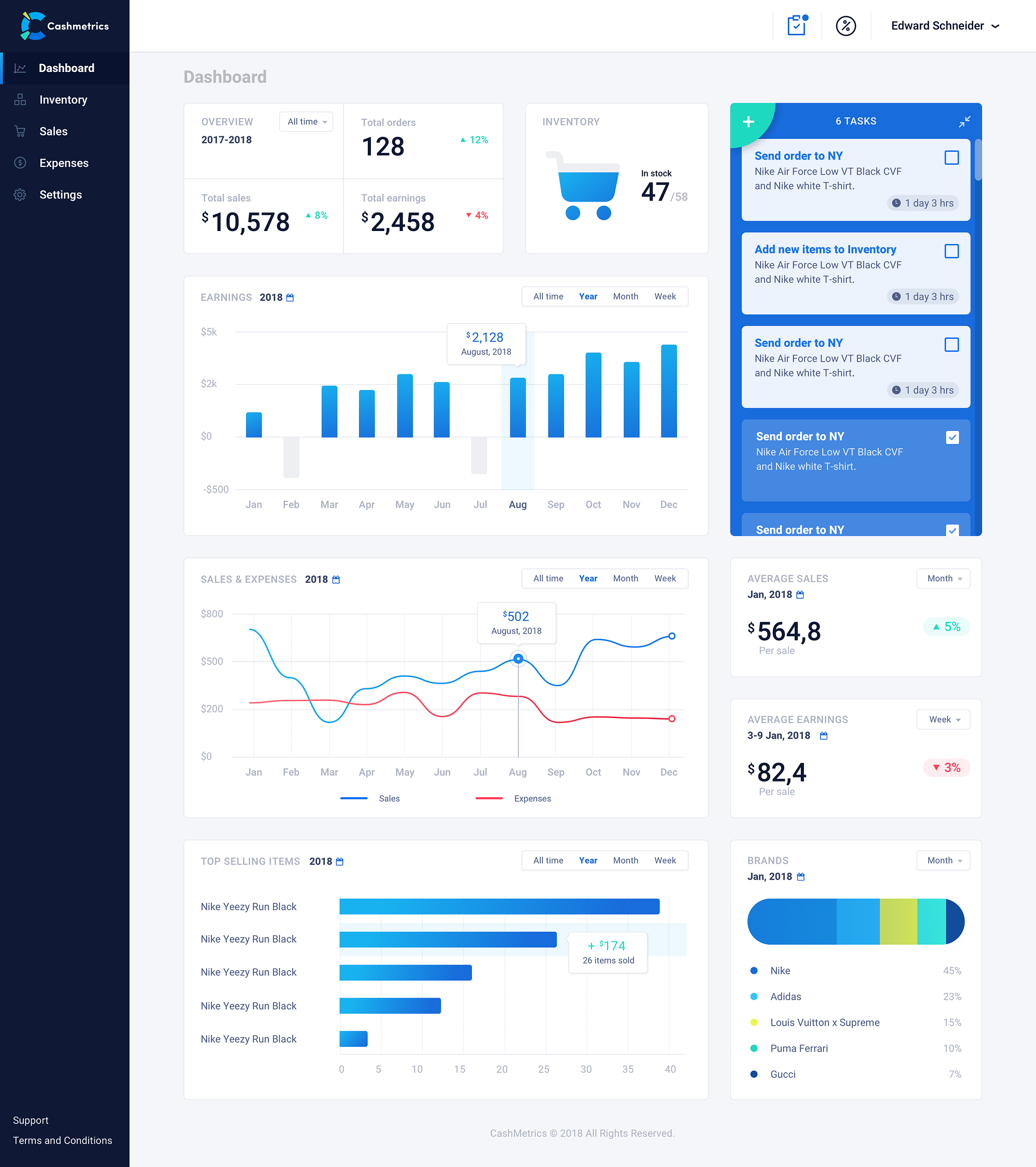
A strong architecture can be undermined by poor user interface design. Conversely, clean UI can mask backend instability — but only temporarily.
Within the Bull360 test, workflow design demonstrated:
-
Logical placement of trade execution panels
-
Accessible exposure and margin data
-
Customisable chart layouts
-
Smooth navigation between instruments
For consultants focused on user experience optimisation, these factors reduce cognitive friction and enhance system adoption.
The interface appears designed for operational clarity rather than visual complexity — a principle common in enterprise SaaS design.
Security and Data Governance
Technology service providers understand that infrastructure is not limited to performance; security architecture is equally critical.
In evaluating https://bull360.com, observable behaviours included:
-
Secure session handling
-
Consistent login processes
-
Stable account verification workflows
-
No abnormal forced logouts
While encryption standards and server-level protections are not externally visible, user-facing session integrity often reflects backend governance discipline.
From a consulting standpoint, predictable authentication cycles indicate structured identity management systems.
Scalability and Market Stress
One of the most important components of any Bull360 test involves observing performance during volatility spikes.
Market-moving events create natural stress scenarios:
-
Central bank rate announcements
-
Inflation data releases
-
Geopolitical developments
-
Commodity supply disruptions
During these windows, platform behaviour provides insight into horizontal scalability and traffic distribution.
Observed performance showed moderate spread expansion consistent with market conditions, but without systemic outages or extended downtime.
For a technology consulting audience, this suggests effective load balancing rather than rigid server constraints.
Transparency and Operational Documentation
In enterprise IT engagements, documentation clarity reduces onboarding friction. Trading platforms similarly benefit from transparent cost and operational details.
Within this Bull360 test, account-level information such as spreads and financing conditions was accessible through the dashboard interface. While not a substitute for contractual documentation review, this visibility supports informed user decision-making.
Clear presentation of operational parameters often signals disciplined product management.
Positioning Within the Broader Technology Ecosystem
A trading platform today is not isolated software. It exists within a broader ecosystem of:
-
Payment processors
-
Identity verification services
-
Liquidity providers
-
Data vendors
-
Cloud infrastructure partners
The Bull360 test reflects an environment designed to integrate these components cohesively.
For firms engaged in technology consulting and staffing, this alignment is notable. Modern financial platforms require cross-domain expertise — from backend engineering to cybersecurity governance.
Balanced Assessment
It is important to distinguish infrastructure performance from market risk. No architecture eliminates volatility or guarantees outcomes.
However, structured backend systems, responsive interfaces and stable session management contribute to operational credibility.
The Bull360 test, viewed through a consulting lens, highlights:
-
Consistent UI responsiveness
-
Stable session integrity
-
Functional execution under routine conditions
-
Scalable behaviour during moderate volatility
In technology evaluation, sustained performance across varied conditions often outweighs short-term impressions.
Final Perspective
As financial platforms increasingly resemble enterprise SaaS systems, evaluation criteria must evolve accordingly. Infrastructure quality, scalability and governance are no longer optional attributes — they define long-term viability.
This Bull360 test approached the platform not as a marketing product, but as a technical system. From that perspective, stability and workflow coherence stand out as central strengths.
In a digital economy where architecture underpins credibility, sustained system reliability remains the ultimate benchmark.
FAQ
What is the purpose of a Bull360 test?
To evaluate infrastructure, execution consistency and system stability over time.
Does infrastructure eliminate market risk?
No. Market volatility remains external, but strong architecture supports consistent operation.
Why assess trading platforms like enterprise software?
Because they rely on layered backend systems similar to SaaS environments.
What matters most in a full platform review?
Scalability, execution reliability, UI efficiency and security governance.
Leadership